This page is dedicated to the co-stars of Doris Day. Check back often as we will be adding more every week.
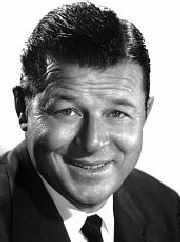
Jack Carson
October 27, 1910 – January 2, 1963
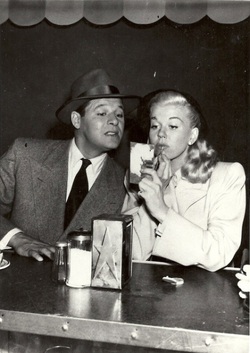
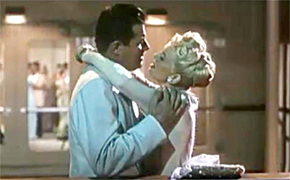
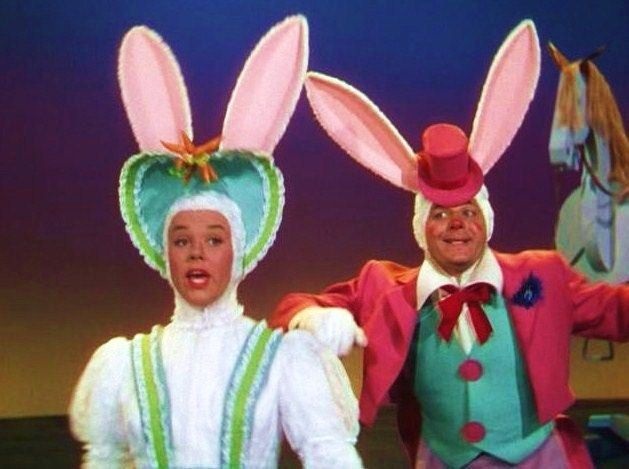
Jack Carson co-starred with Doris Day in three movies, Romance on the High Seas, My Dream Is Yours and It's a Great Feeling. Jack was a very popular character actor during the 30's-50's primarily in comedic roles. However, he did play some serious dramatic roles for which he received critical acclaim, Mildred Pierce (1945), Roughly Speaking (1945), A Star Is Born (1954) and Cat on a Hot Tin Roof (1958). Jack's career began in vaudeville but as that declined he sought roles in Hollywood landing some bit parts at RKO and MGM. Jack also had his own popular radio show beginning in 1943 which led to more movie roles and signing with Warner Brothers. Jack appeared on many television shows in the late 50's including Bonanza, The Martha Raye Show and The Twilight Zone. While rehearsing for the Broadway play Critic's Choice, Jack collapsed, later being diagnosed with stomach cancer. He passed away on January 2, 1963 at the age of 52. Doris considers Jack to be one of her early Hollywood mentors. (Doris dated Jack for several years. He was more serious about her than she was about him, very similar to the character roles in "My Dream is Yours".)
http://www.imdb.com/name/nm0007217/bio?ref_=nm_ov_bio_sm
October 27, 1910 – January 2, 1963
Jack Carson co-starred with Doris Day in three movies, Romance on the High Seas, My Dream Is Yours and It's a Great Feeling. Jack was a very popular character actor during the 30's-50's primarily in comedic roles. However, he did play some serious dramatic roles for which he received critical acclaim, Mildred Pierce (1945), Roughly Speaking (1945), A Star Is Born (1954) and Cat on a Hot Tin Roof (1958). Jack's career began in vaudeville but as that declined he sought roles in Hollywood landing some bit parts at RKO and MGM. Jack also had his own popular radio show beginning in 1943 which led to more movie roles and signing with Warner Brothers. Jack appeared on many television shows in the late 50's including Bonanza, The Martha Raye Show and The Twilight Zone. While rehearsing for the Broadway play Critic's Choice, Jack collapsed, later being diagnosed with stomach cancer. He passed away on January 2, 1963 at the age of 52. Doris considers Jack to be one of her early Hollywood mentors. (Doris dated Jack for several years. He was more serious about her than she was about him, very similar to the character roles in "My Dream is Yours".)
http://www.imdb.com/name/nm0007217/bio?ref_=nm_ov_bio_sm
|
|
|
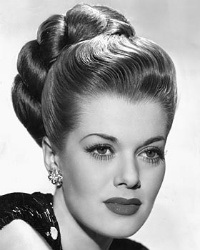
Janis Paige
September 16, 1922
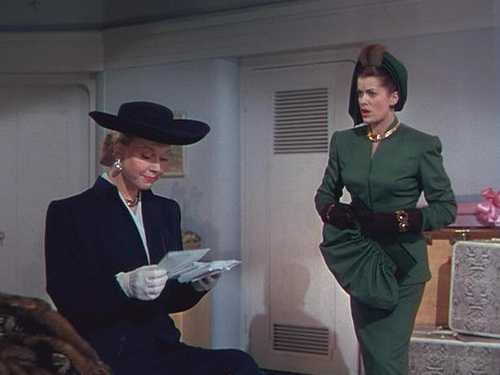
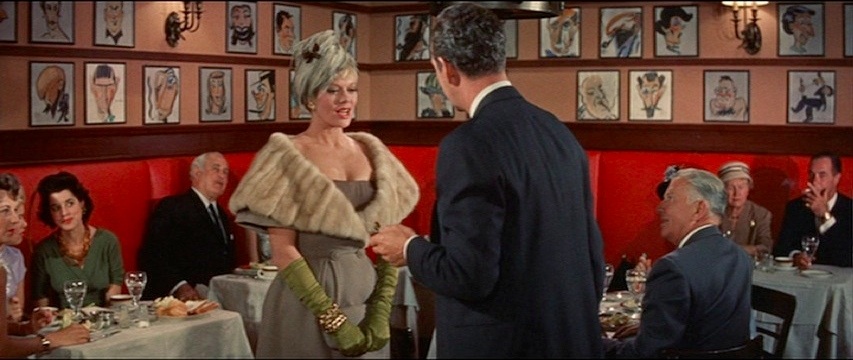
Janis Paige appeared in two of Doris Day's movies, Romance on the High Seas and Please Don't Eat the Daisies. She began her career as a singer at the Hollywood Canteen during World War II. There she was discovered by an agent from Warner Brothers and signed to a contract. Janis never quite found her niche in film so she left Hollywood for Broadway. There she hit her stride with hits like The Pajama Game and Remains to be Seen. She returned to Hollywood in the late 50's. One of the movies she received great reviews for was for her role of Marion, an institutionalized prostitute in The Caretakers (1963). She has also appeared on many television shows including her own It's Always Jan and others such as Trapper John, M.D., All in the Family and Columbo. Janis has her own website and www.janispaige.com. (Janis and Doris remained friends for many years, despite the fact that when Pajama Game was filmed, Janis was one of the few original Broadway Stars who was replaced by Doris in the film version.
http://en.wikipedia.org/wiki/Janis_Paige
September 16, 1922
Janis Paige appeared in two of Doris Day's movies, Romance on the High Seas and Please Don't Eat the Daisies. She began her career as a singer at the Hollywood Canteen during World War II. There she was discovered by an agent from Warner Brothers and signed to a contract. Janis never quite found her niche in film so she left Hollywood for Broadway. There she hit her stride with hits like The Pajama Game and Remains to be Seen. She returned to Hollywood in the late 50's. One of the movies she received great reviews for was for her role of Marion, an institutionalized prostitute in The Caretakers (1963). She has also appeared on many television shows including her own It's Always Jan and others such as Trapper John, M.D., All in the Family and Columbo. Janis has her own website and www.janispaige.com. (Janis and Doris remained friends for many years, despite the fact that when Pajama Game was filmed, Janis was one of the few original Broadway Stars who was replaced by Doris in the film version.
http://en.wikipedia.org/wiki/Janis_Paige
|
|
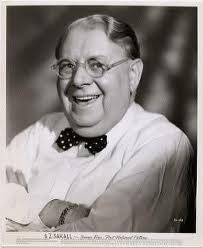
S. Z. ("Cuddles") Sakall
February 2, 1883 – February 12, 1955
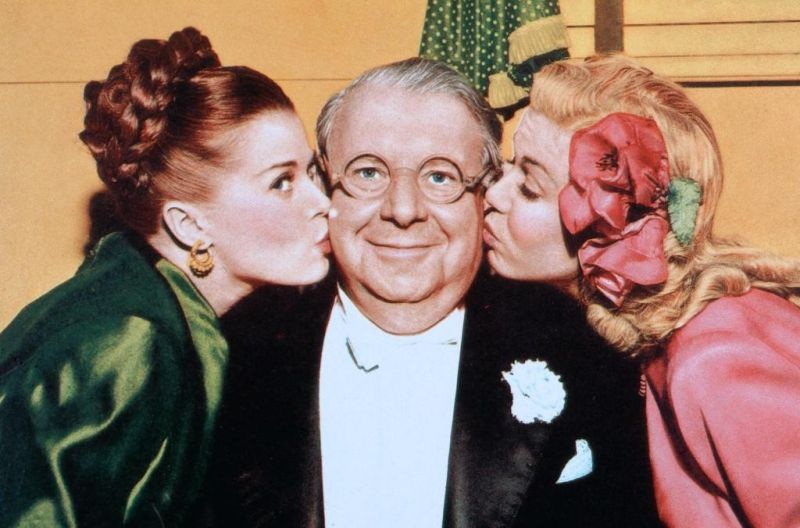
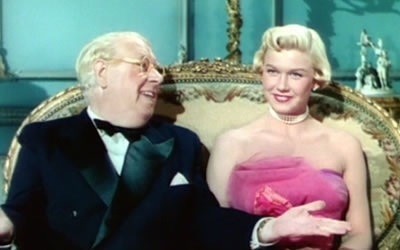
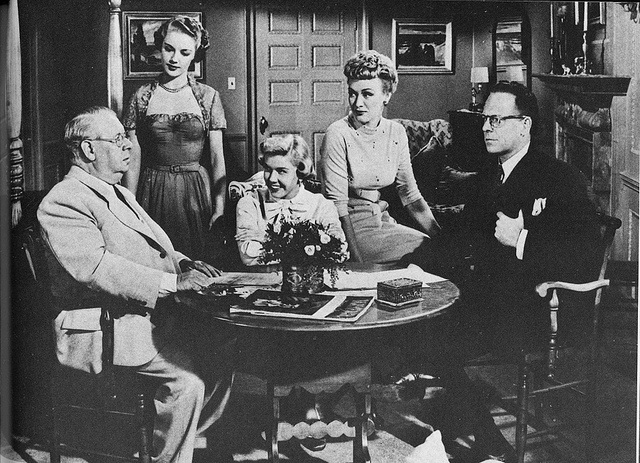
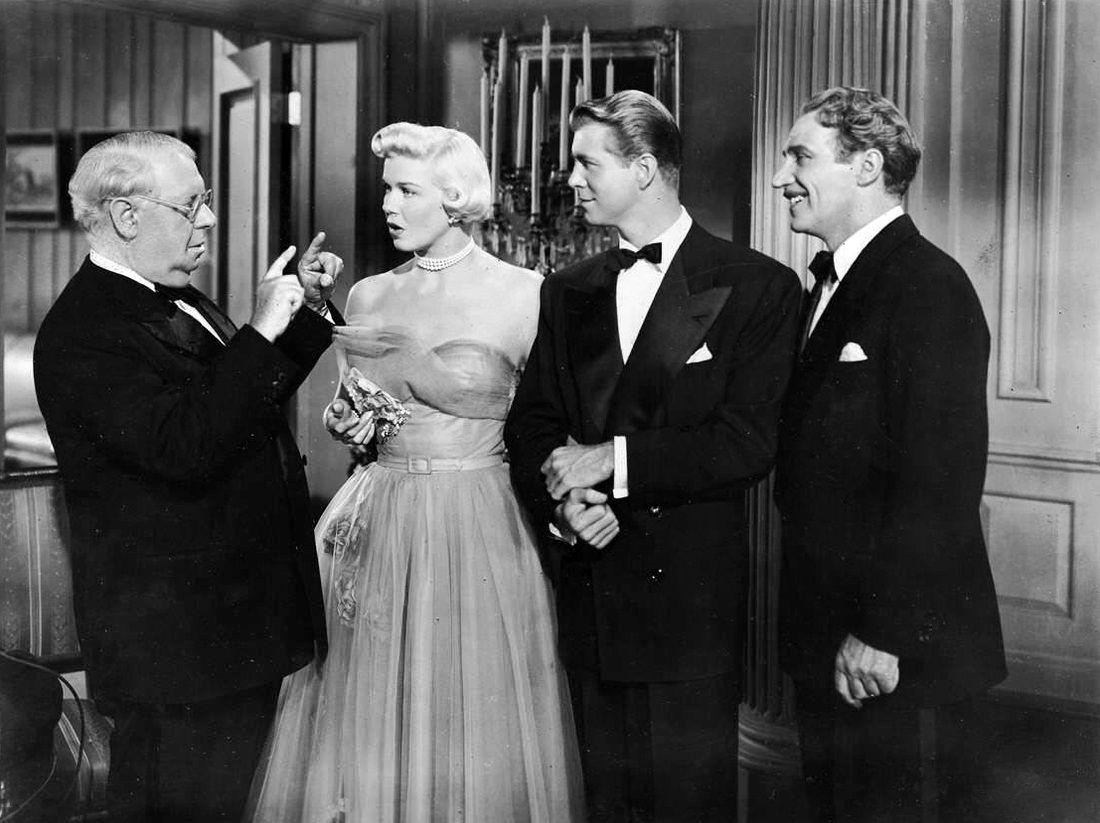
S. Z. Sakall was a Hungarian character actor. He co-starred with Doris Day in four films Romance on the High Seas, My Dream Is Yours, Tea for Two and Lullaby of Broadway. Sakall was a stage actor early on appearing in Hungary and then Vienna with great success. However, when the Nazis came to power in 1933, he had to return to Hungary. In 1940 he fled Hungary with his wife heading for Hollywood. Many of his relatives including all three of his sisters and his niece, as well as his wife's brother and sister were killed in Nazi concentration camps. For much of his film career he played the lovable uncle or good natured shop keeper. His most memorable role was that of Carl the head waiter in Casablanca. He worked for three weeks on that film and earned $5250. Sakall died of a heart attack on February 12, 1955. He is one of Miss Day's co-stars that she remembers with great affection.
http://en.wikipedia.org/wiki/S._Z._Sakall
February 2, 1883 – February 12, 1955
S. Z. Sakall was a Hungarian character actor. He co-starred with Doris Day in four films Romance on the High Seas, My Dream Is Yours, Tea for Two and Lullaby of Broadway. Sakall was a stage actor early on appearing in Hungary and then Vienna with great success. However, when the Nazis came to power in 1933, he had to return to Hungary. In 1940 he fled Hungary with his wife heading for Hollywood. Many of his relatives including all three of his sisters and his niece, as well as his wife's brother and sister were killed in Nazi concentration camps. For much of his film career he played the lovable uncle or good natured shop keeper. His most memorable role was that of Carl the head waiter in Casablanca. He worked for three weeks on that film and earned $5250. Sakall died of a heart attack on February 12, 1955. He is one of Miss Day's co-stars that she remembers with great affection.
http://en.wikipedia.org/wiki/S._Z._Sakall
|
|
|
|
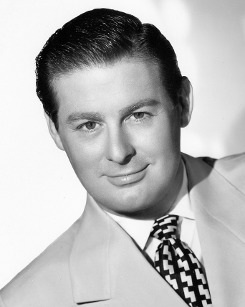
Don DeFore
August 25, 1913 – December 22, 1993
Don DeFore co-starred with Doris Day in the movie Romance on the High Seas. He played the jealous husband of Elvira Kent (Janis Paige). DeFore's first film was a small role in the 1936 film Reunion. He appeared in films such as Thirty Seconds over Tokyo, A Guy Named Joe and The Facts of Life. He also did some radio work. But he is best know for his television work in The Adventures of Ozzie and Harriet and Hazel. DeFore also served as president of The National Academy of Television Arts and Sciences and on the board of the Screen Actors Guild. He died of cardiac arrest on December 22, 1993.
http://en.wikipedia.org/wiki/Don_DeFore
August 25, 1913 – December 22, 1993
Don DeFore co-starred with Doris Day in the movie Romance on the High Seas. He played the jealous husband of Elvira Kent (Janis Paige). DeFore's first film was a small role in the 1936 film Reunion. He appeared in films such as Thirty Seconds over Tokyo, A Guy Named Joe and The Facts of Life. He also did some radio work. But he is best know for his television work in The Adventures of Ozzie and Harriet and Hazel. DeFore also served as president of The National Academy of Television Arts and Sciences and on the board of the Screen Actors Guild. He died of cardiac arrest on December 22, 1993.
http://en.wikipedia.org/wiki/Don_DeFore
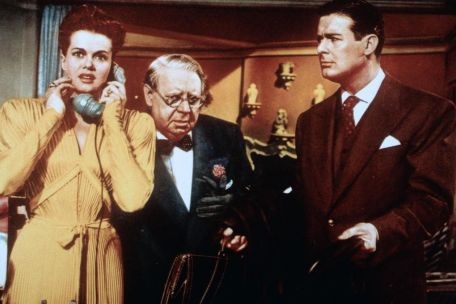
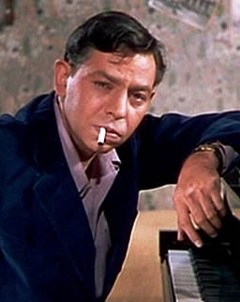
Oscar Levant
December 27, 1906 – August 14, 1972
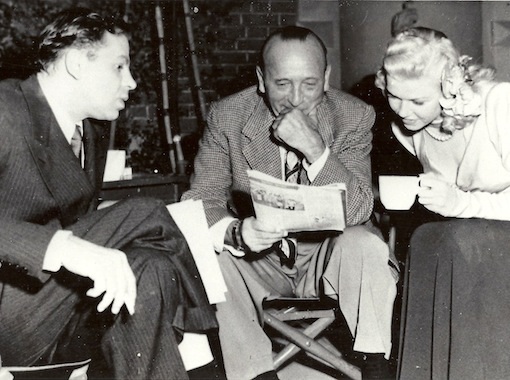
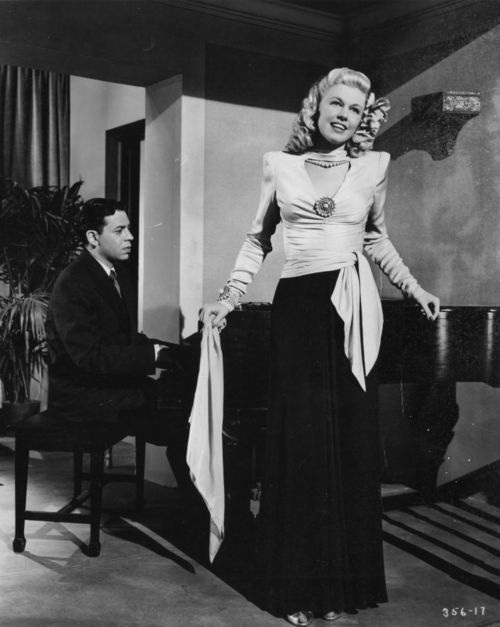
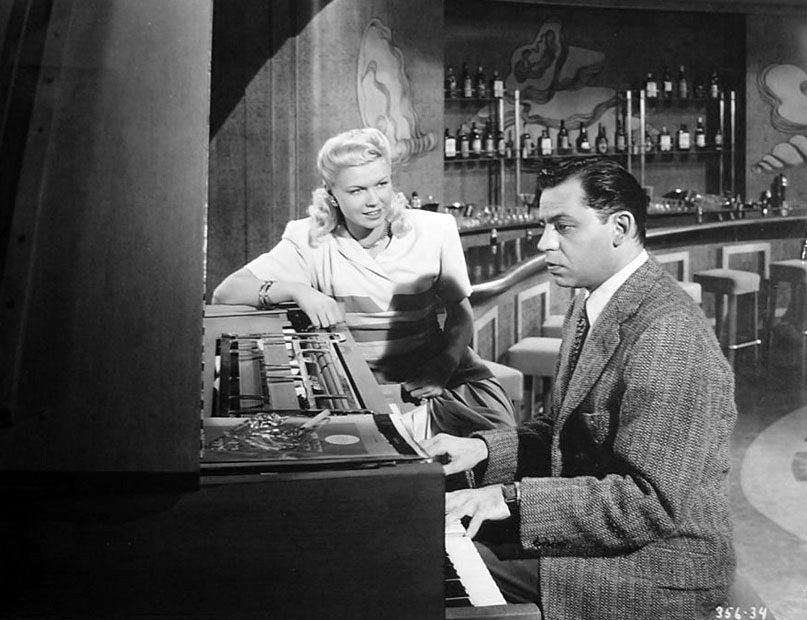
Oscar Levant was an American pianist, composer, author, comedian, and actor. He is best known in Doris Day terms for the quote "I knew Doris Day before she was a virgin." He appeared with her in Romance on the High Seas. In 1928 he set his sights on Hollywood and became friends with George Gershwin. He composed music for more than 20 films. He also was a guest on many television game shows and was a frequent guest of Jack Paar. Levant was very open about being a hypochondriac. He died on August 14, 1972 of a heart attack. His gravestone reads "I told them I was ill."
http://www.imdb.com/name/nm0505157/bio
December 27, 1906 – August 14, 1972
Oscar Levant was an American pianist, composer, author, comedian, and actor. He is best known in Doris Day terms for the quote "I knew Doris Day before she was a virgin." He appeared with her in Romance on the High Seas. In 1928 he set his sights on Hollywood and became friends with George Gershwin. He composed music for more than 20 films. He also was a guest on many television game shows and was a frequent guest of Jack Paar. Levant was very open about being a hypochondriac. He died on August 14, 1972 of a heart attack. His gravestone reads "I told them I was ill."
http://www.imdb.com/name/nm0505157/bio
|
|
|
Lee Bowman
December 28, 1914 – December 25, 1979
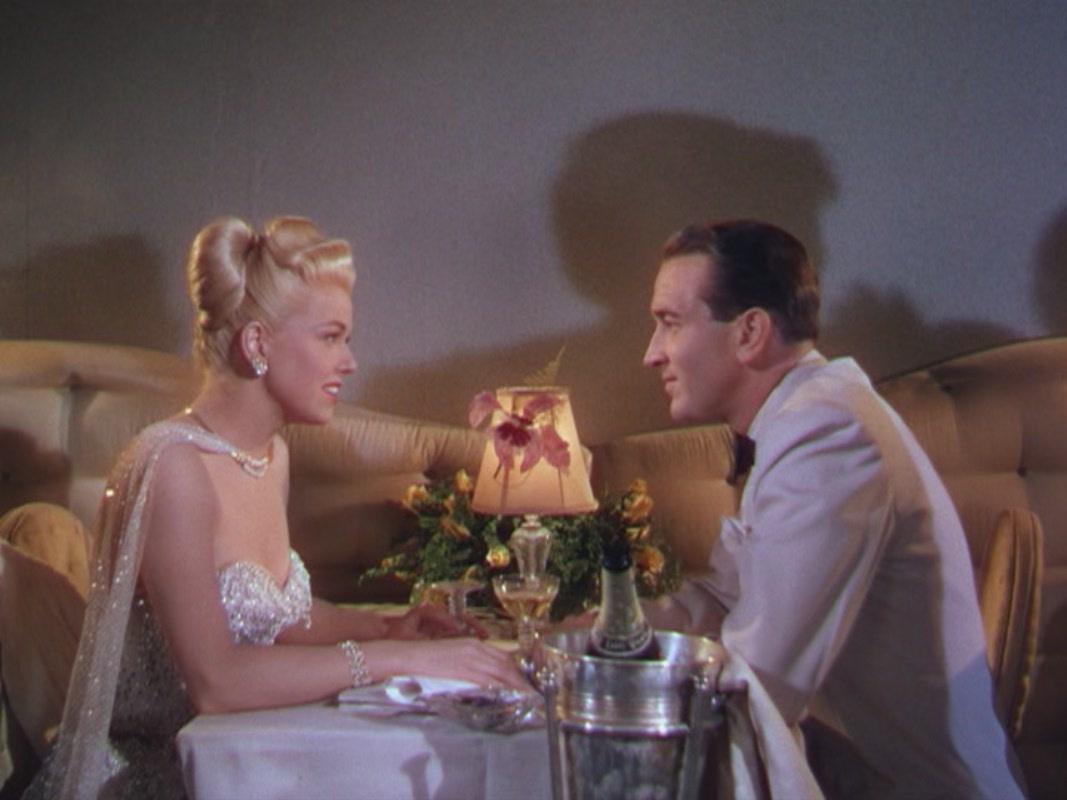
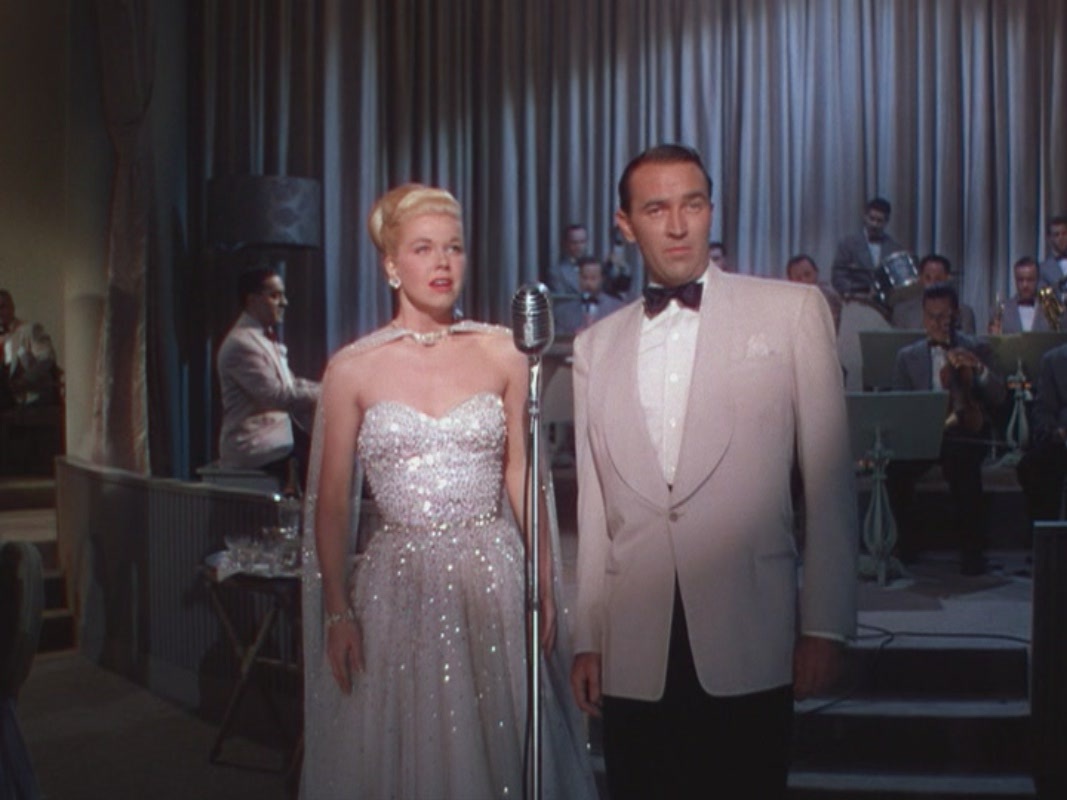
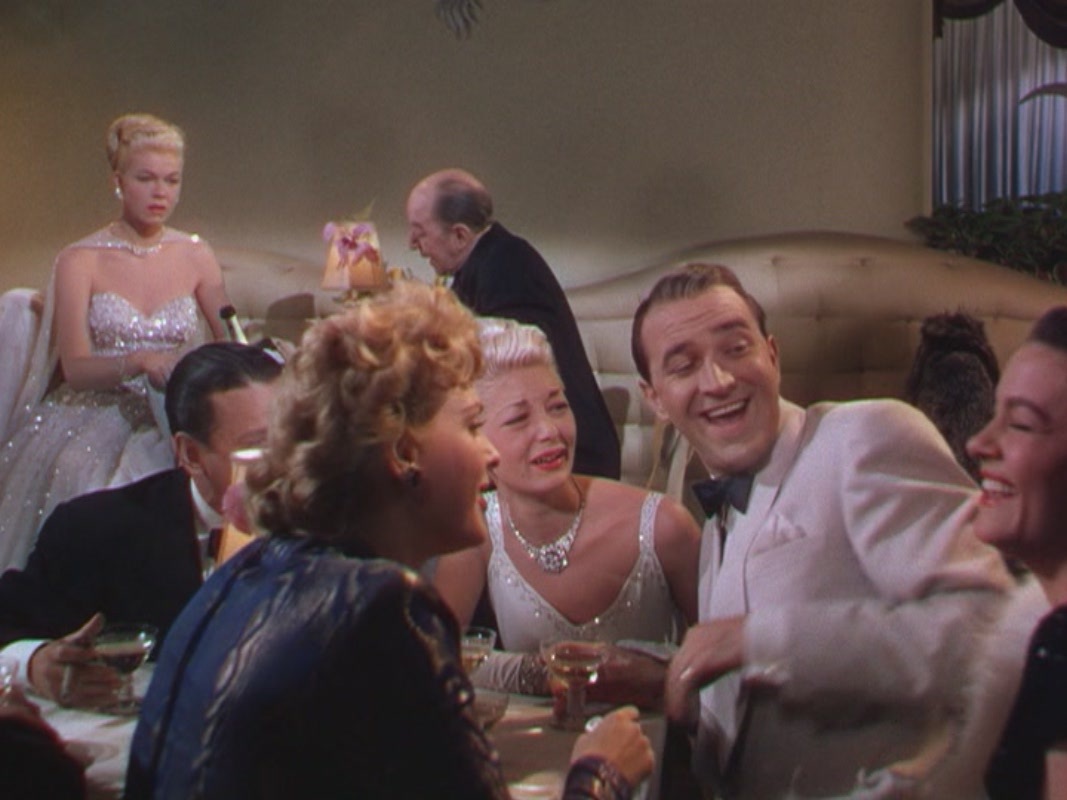
Lee Bowman like Doris Day was born in Cincinnati, Ohio. He studied at the New York Academy of Dramatic Arts. His first appearance in film was in 1937's I Met Him in Paris. Despite his leading man good looks he always got the role of the guy who never got the girl in the end. He played Gary Mitchell the conceited singer/play boy in Doris Day's 1949 film My Dream Is Yours. His last film role was in 1950's House by the River. He then appeared in some television series starring in The Adventures of Ellery Queen and some guest star roles. Lee also did some radio shows and stage work. He retired from acting in 1968. He then went into private business as a corporate communications consultant.
http://en.wikipedia.org/wiki/Lee_Bowman
December 28, 1914 – December 25, 1979
Lee Bowman like Doris Day was born in Cincinnati, Ohio. He studied at the New York Academy of Dramatic Arts. His first appearance in film was in 1937's I Met Him in Paris. Despite his leading man good looks he always got the role of the guy who never got the girl in the end. He played Gary Mitchell the conceited singer/play boy in Doris Day's 1949 film My Dream Is Yours. His last film role was in 1950's House by the River. He then appeared in some television series starring in The Adventures of Ellery Queen and some guest star roles. Lee also did some radio shows and stage work. He retired from acting in 1968. He then went into private business as a corporate communications consultant.
http://en.wikipedia.org/wiki/Lee_Bowman
|
|
|
Adolphe Menjou
February 18, 1890 – October 29, 1963
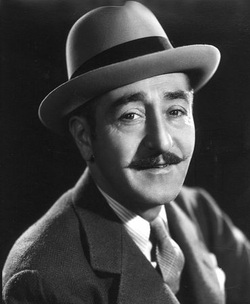
Born in Pittsburgh, Pennsylvania Adolphe Menjou often played the suave wealthy aristocrat. He was known for his trademark mustache and for always being very well if not overdressed. Not many know that his career began in silent films. The studios were grooming him as rival to Rudolph Valentino. He received an Oscar nomination for Best Actor in The Front Page in 1931. He also spoke six languages. He appeared in Doris Day's My Dream Is Yours.
"It was my mustache that landed jobs for me. In those silent-film days it was the mark of a villain. When I realized they had me pegged as a foreign nobleman type I began to live the part, too. I bought a pair of white spats, an ascot tie and a walking stick." - Adolphe Menjou
http://en.wikipedia.org/wiki/Adolphe_Menjou
February 18, 1890 – October 29, 1963
Born in Pittsburgh, Pennsylvania Adolphe Menjou often played the suave wealthy aristocrat. He was known for his trademark mustache and for always being very well if not overdressed. Not many know that his career began in silent films. The studios were grooming him as rival to Rudolph Valentino. He received an Oscar nomination for Best Actor in The Front Page in 1931. He also spoke six languages. He appeared in Doris Day's My Dream Is Yours.
"It was my mustache that landed jobs for me. In those silent-film days it was the mark of a villain. When I realized they had me pegged as a foreign nobleman type I began to live the part, too. I bought a pair of white spats, an ascot tie and a walking stick." - Adolphe Menjou
http://en.wikipedia.org/wiki/Adolphe_Menjou
Eve Arden
April 30, 1908 – November 12, 1990
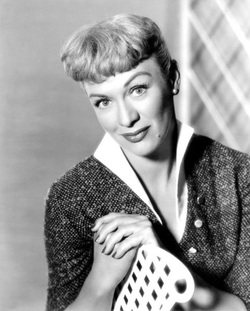
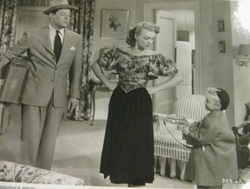
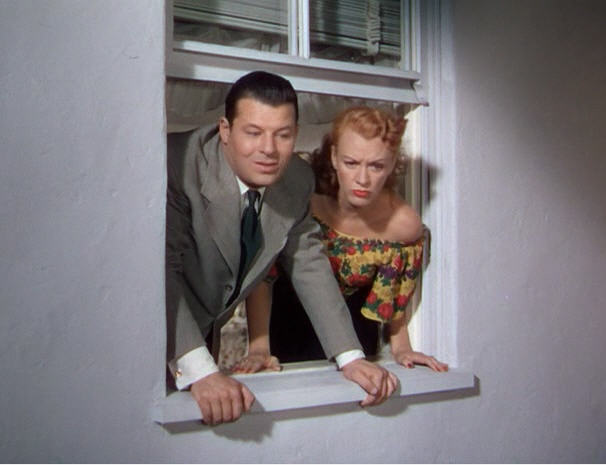
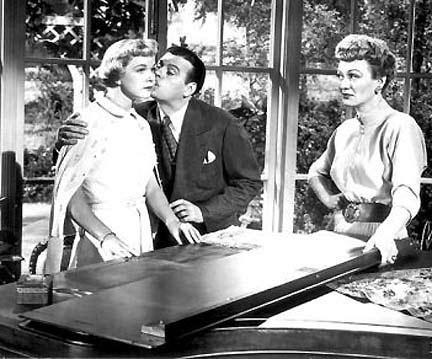
Eve Arden born Eunice M. Quedens in Mill Valley, California had a long career that spanned film, radio and television for close to six decades. She is most well known for playing the role of the wise cracking sidekick. She appeared in such notable films as Mildred Pierce, for which she received an Academy Award Nomination for Best Supporting Actress. Baby boomers may remember her as Miss Brooks in the television series Our Miss Brooks or from her role as the principal in the movie Grease. She had two co-starring roles with Doris Day, My Dream Is Yours and Tea for Two.
http://www.imdb.com/name/nm0000781/bio?ref_=nm_ov_bio_sm
April 30, 1908 – November 12, 1990
Eve Arden born Eunice M. Quedens in Mill Valley, California had a long career that spanned film, radio and television for close to six decades. She is most well known for playing the role of the wise cracking sidekick. She appeared in such notable films as Mildred Pierce, for which she received an Academy Award Nomination for Best Supporting Actress. Baby boomers may remember her as Miss Brooks in the television series Our Miss Brooks or from her role as the principal in the movie Grease. She had two co-starring roles with Doris Day, My Dream Is Yours and Tea for Two.
http://www.imdb.com/name/nm0000781/bio?ref_=nm_ov_bio_sm
|
|
|
Dennis Morgan
December 20, 1908 – September 7, 1994
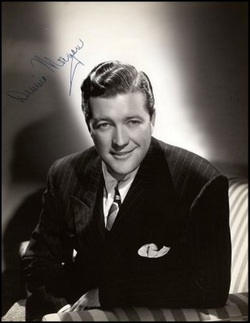
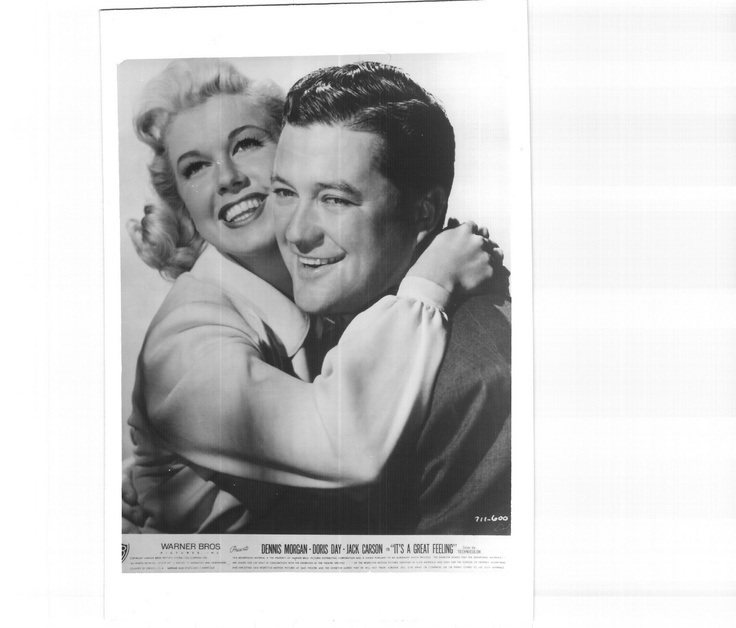
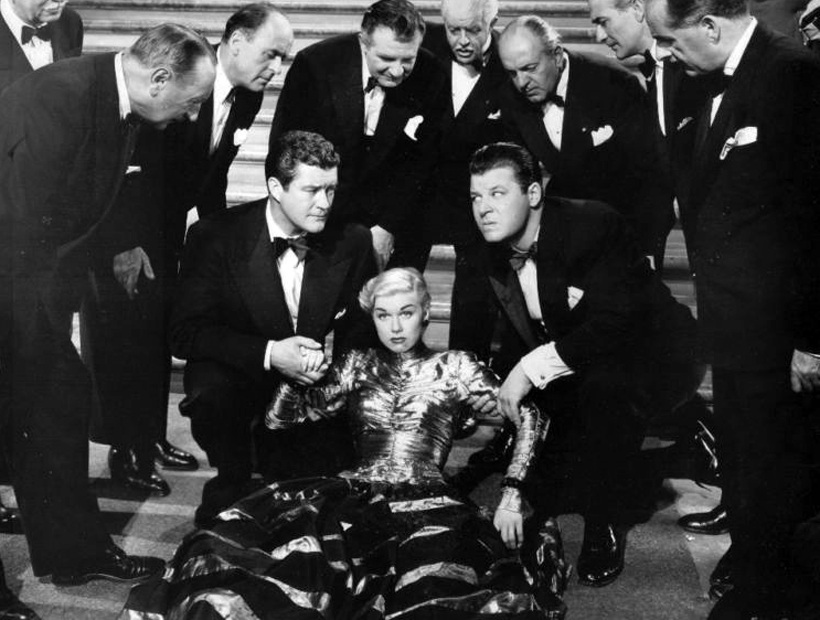
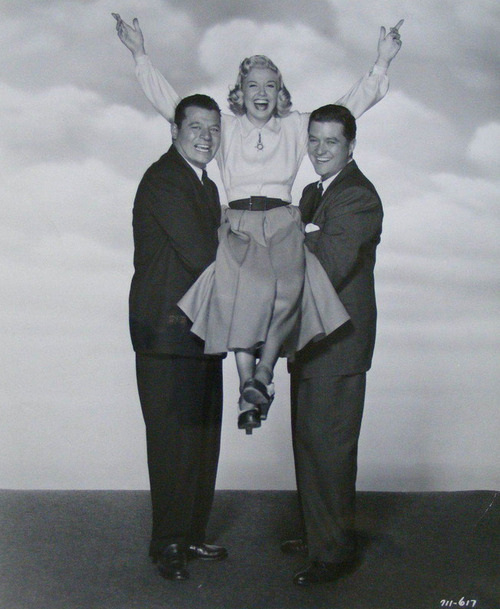
Earl Stanley Morner was born in Prentice, Wisconsin. His first acting name was Richard Stanley. He then changed it to Dennis Morgan. He starred in many war time dramas alongside actors such as Ginger Rogers, Barbara Stanwyck and Sydney Greenstreet. He also starred with best friend Jack Carson in many Warner Brothers comedies among them It's a Great Feeling with Doris Day. In addition to film, Morgan guest starred in many television roles from Alfred Hitchcock Presents to The Love Boat. He passed away in 1994 of respiratory failure.
http://en.wikipedia.org/wiki/Dennis_Morgan
December 20, 1908 – September 7, 1994
Earl Stanley Morner was born in Prentice, Wisconsin. His first acting name was Richard Stanley. He then changed it to Dennis Morgan. He starred in many war time dramas alongside actors such as Ginger Rogers, Barbara Stanwyck and Sydney Greenstreet. He also starred with best friend Jack Carson in many Warner Brothers comedies among them It's a Great Feeling with Doris Day. In addition to film, Morgan guest starred in many television roles from Alfred Hitchcock Presents to The Love Boat. He passed away in 1994 of respiratory failure.
http://en.wikipedia.org/wiki/Dennis_Morgan
|
|
|
Bill Goodwin
July 28, 1910 - May 9, 1958
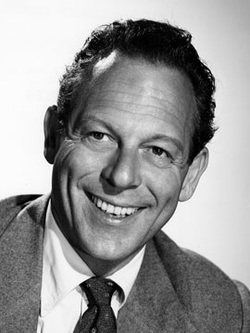
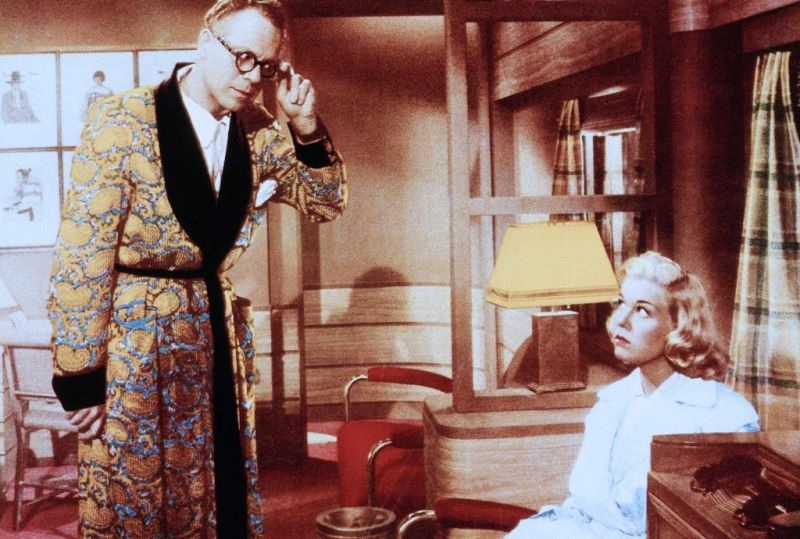
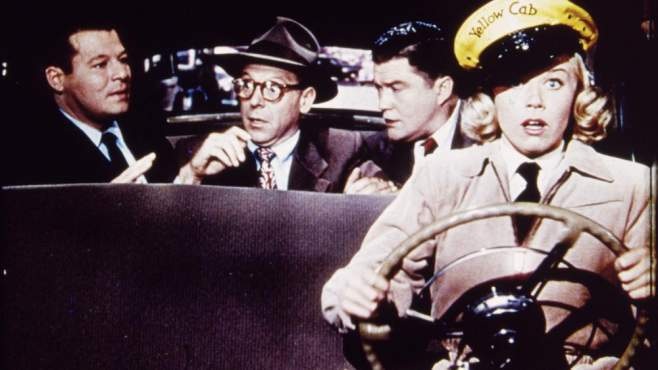
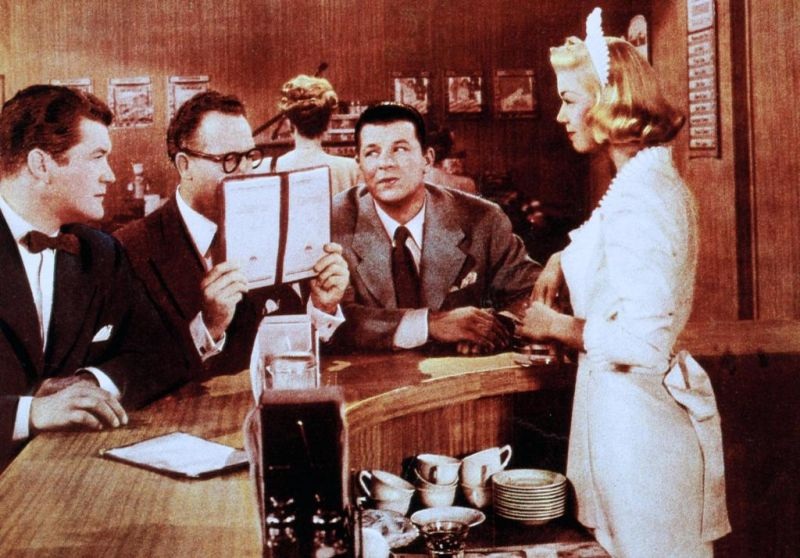
Bill Goodwin appeared in a number of films and television series among them The Jolson Story, Spellbound and The George Burns and Gracie Allen Show. He appeared in three Doris Day movies: It's a Great Feeling, Tea for Two and Lucky Me. Unfortunately he passed away at the young age of 47 from a heart attack.
http://en.wikipedia.org/wiki/Bill_Goodwin
July 28, 1910 - May 9, 1958
Bill Goodwin appeared in a number of films and television series among them The Jolson Story, Spellbound and The George Burns and Gracie Allen Show. He appeared in three Doris Day movies: It's a Great Feeling, Tea for Two and Lucky Me. Unfortunately he passed away at the young age of 47 from a heart attack.
http://en.wikipedia.org/wiki/Bill_Goodwin
|
|
|
Kirk Douglas
December 9, 1916
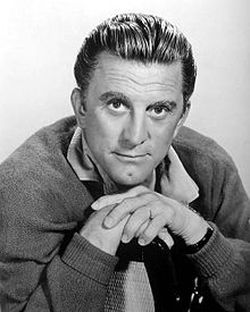
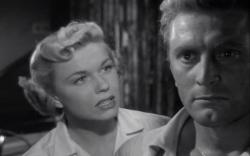
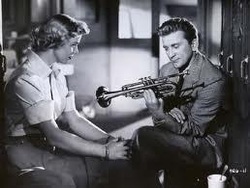
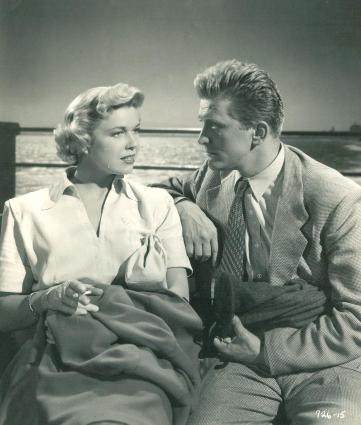
Kirk Douglas born Issur Danielovitch Demsky in Amsterdam, New York is an American screen legend appearing in 88 movies. Known for his distinctive cleft chin he is number 17 on the AFI's list of the greatest male screen legends in American film history. Douglas was nominated for Oscar for his performances in 1949 Champion, 1952 The Bad and the Beautiful and 1956 Lust for Life. He co-starred with Doris in 1950's Young Man with a Horn. He is also the father of actor Michael Douglas. To learn more visit http://www.imdb.com/name/nm0000018/bio?ref_=nm_ov_bio_sm.
December 9, 1916
Kirk Douglas born Issur Danielovitch Demsky in Amsterdam, New York is an American screen legend appearing in 88 movies. Known for his distinctive cleft chin he is number 17 on the AFI's list of the greatest male screen legends in American film history. Douglas was nominated for Oscar for his performances in 1949 Champion, 1952 The Bad and the Beautiful and 1956 Lust for Life. He co-starred with Doris in 1950's Young Man with a Horn. He is also the father of actor Michael Douglas. To learn more visit http://www.imdb.com/name/nm0000018/bio?ref_=nm_ov_bio_sm.
|
|
|
|
Lauren Bacall
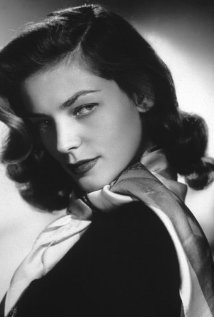
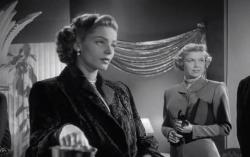
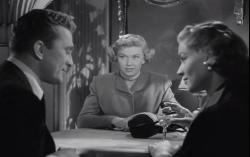
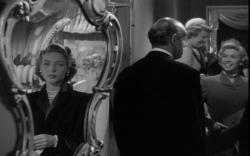
September 16, 1924 - August 12, 2014 Born Betty Joan Perske in New York City Lauren Bacall is considered a Hollywood legend starring in countless films over six decades. Her husky voice and sultriness were her trademark. Her first role when she was only 19 was in To Have and Have Not which resulted in her marriage to her co-star in that film, Humphrey Bogart. She co-starred with Doris in 1950's Young Man with a Horn. To learn more visit http://www.imdb.com/name/nm0000002/bio?ref_=nm_ov_bio_sm. |
|
|
|
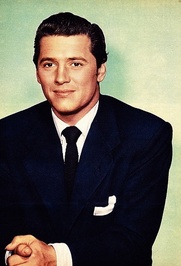
Gordon MacRae
March 12, 1921 - January 24, 1986
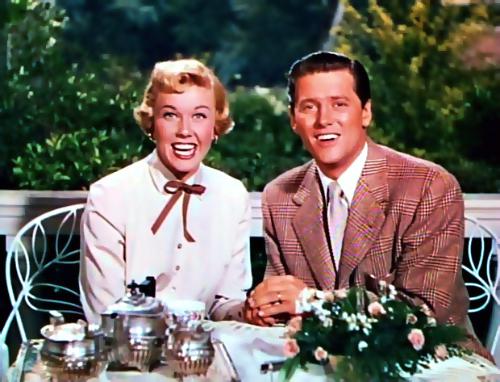
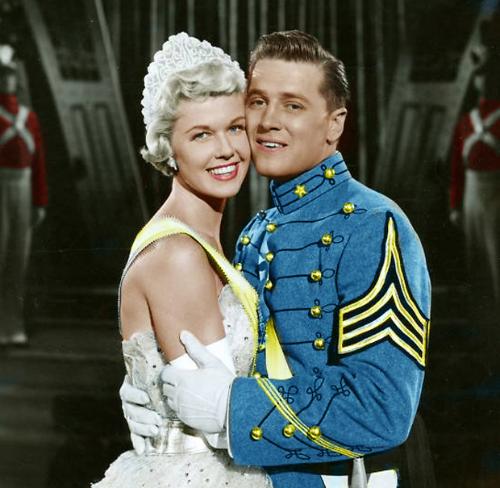
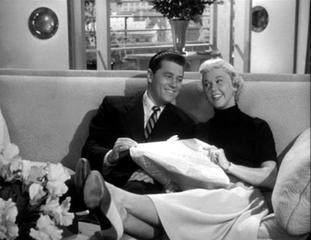
Gordon MacRae appeared in five movies with Doris Day, Tea for Two, The West Point Story, On Moonlight Bay, Starlift and By the Light of the Silvery Moon. He was a close friend of hers until his death in 1986. Gordon also had the leading roles in the musical film versions of Oklahoma and Carousel. He achieved great success in radio, television and on the stage as well.
http://www.imdb.com/name/nm0534286/bio
'His voice was magnificent, and no one sang like him. We had so much fun when we made films together, and our favorites were 'On Moonlight Bay' and 'By the Light of the Silvery Moon...'' - Doris Day on the passing of Gordon MacRae
March 12, 1921 - January 24, 1986
Gordon MacRae appeared in five movies with Doris Day, Tea for Two, The West Point Story, On Moonlight Bay, Starlift and By the Light of the Silvery Moon. He was a close friend of hers until his death in 1986. Gordon also had the leading roles in the musical film versions of Oklahoma and Carousel. He achieved great success in radio, television and on the stage as well.
http://www.imdb.com/name/nm0534286/bio
'His voice was magnificent, and no one sang like him. We had so much fun when we made films together, and our favorites were 'On Moonlight Bay' and 'By the Light of the Silvery Moon...'' - Doris Day on the passing of Gordon MacRae
|
|
|
|
|
|
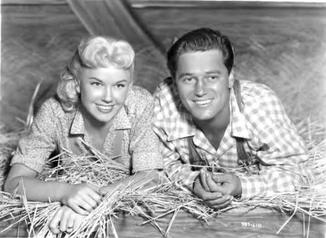
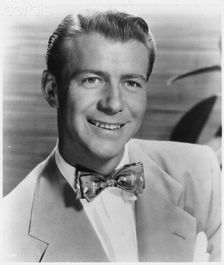
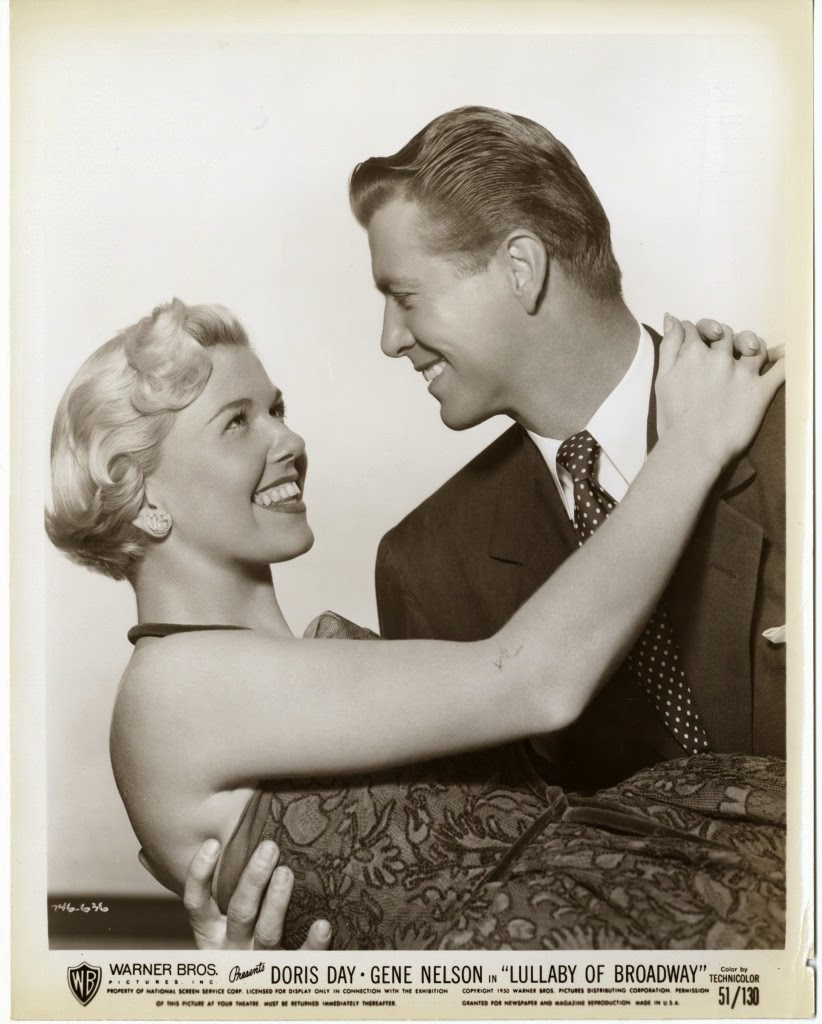
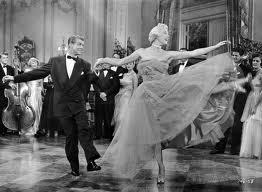
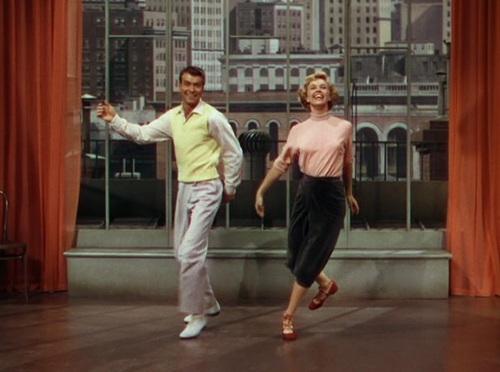
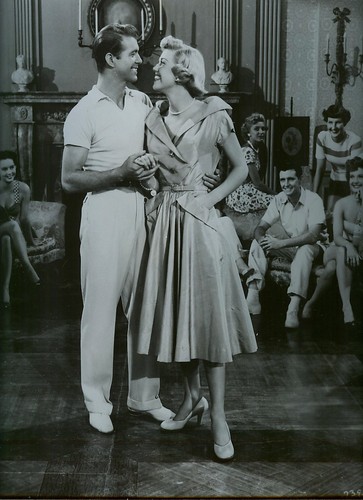
Gene Nelson March 24, 1920 - September 16, 1996 Born Eugene Berg in Seattle, Washington Gene Nelson set out to be a dancer influenced by the work of idol Fred Astaire. He was one of the silver screen's best. He is best known for his role of Will Parker in Oklahoma. After his dancing days he also found great success in directing TV and films. Among the movies he directed were Elvis Presley's Kissin' Cousins and Harum Scarum. Gene appeared with Doris in four films, West Point Story, Tea for Two, Starlift and Lullaby of Broadway. In Lullaby of Broadway Doris had one of the best dance sequences on film. Remember Doris had to do the steps backwards and in high heels! https://en.wikipedia.org/wiki/Gene_Nelson "Film is a marvelous medium for dancing. The sky's the limit. You can do wonderfully imaginative things with film. It's like being a magician. In my heyday, I could only do about four pirouettes without starting to fall, but with film, I could do a dozen by cutting and editing. The magic of film is that you can create anything you want." - Gene Nelson |
|
|
|
|
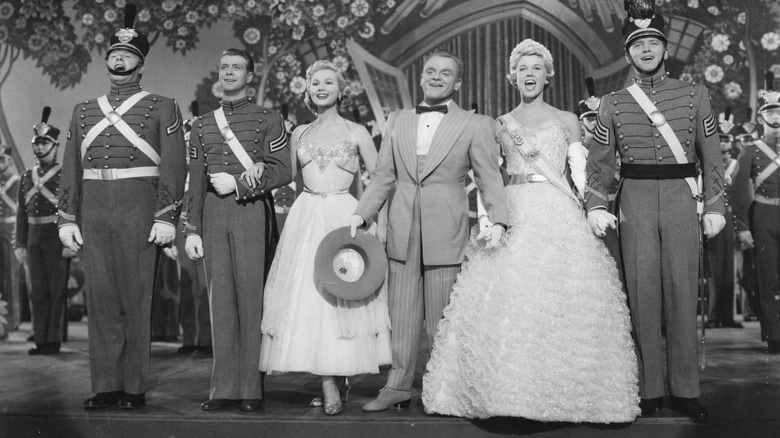
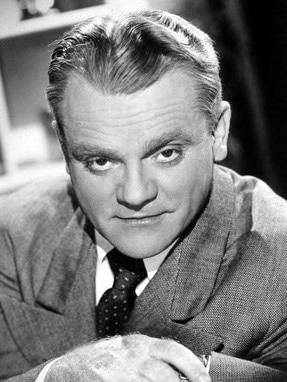
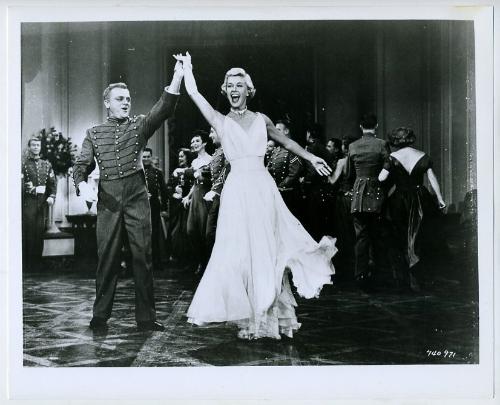
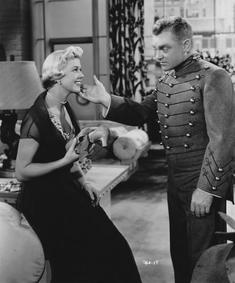
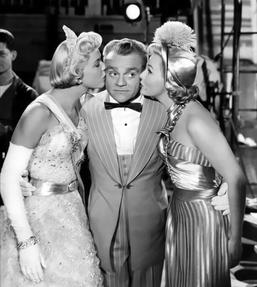
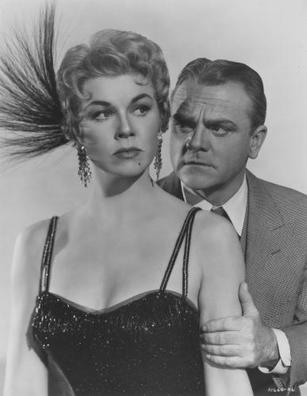
James Cagney July 17, 1899 - March 30, 1986 James (Jimmy) Cagney best known for his tough guy roles was born in the lower east side of Manhattan in 1899. But Cagney could also dance and play comedic roles. In fact his first role was playing a female in a chorus line. Cagney won the Oscar for his role as George M. Cohan in Yankee Doodle Dandy in 1942. He was also nominated for his role as Marty Snyder alongside Doris in Love Me or Leave Me. This film is considered one of the best of his career. Doris said this about working with Jimmy: "the most professional actor I've ever known. He was always 'real'. I simply forgot we were making a picture. His eyes would actually fill up when we were working on a tender scene. And you never needed drops to make your eyes shine when Jimmy was on the set." Cagney also starred with Doris in The West Point Story and had a cameo in Starlift. http://www.imdb.com/name/nm0000010/bio?ref_=nm_ov_bio_sm "I still think of myself essentially as a vaudevillian, as a song and dance man. The vaudevillians I knew by and large were marvelous people. Ninety percent of them had no schooling, but they had a vivid something or other about them that absolutely riveted an audience's attention. Those vaudevillians knew something that ultimately I came to understand and believe - that audiences are the ones who determine material. They buy the tickets." - James Cagney "I had worked with Doris Day before, of course, in The West Point Story. But I really didn't get to know her then, and there certainly wasn't anything substantial for her to do in that picture. But when we started on Love Me or Leave Me, I saw something in her that I hadn't noticed before, or maybe it was just coming into bloom. I don't know. She had matured into a really exceptional actress, and I told her so. I said 'You know, girl, you have a quality that I've seen but twice before. There was a gal named Pauline Lord that created the title role in Eugene O'Neill's Anna Christie, and I'm also thinking of Laurette Taylor. Both these ladies could really get on there and do it with everything. They could take you apart playing a scene. Now, you're the third one.'" - Cagney by Cagney by James Cagney |
|
|
|
|
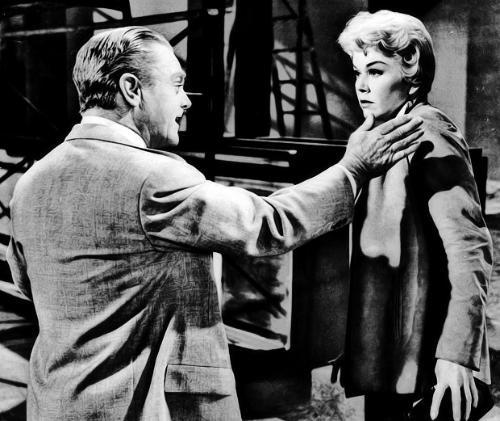
|
|
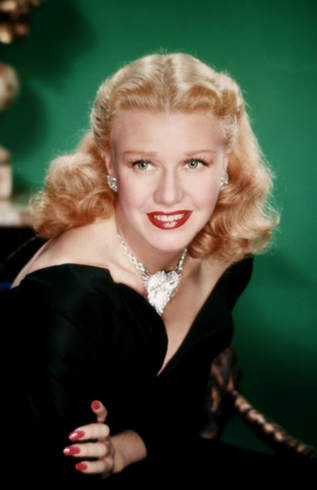
Ginger Rogers
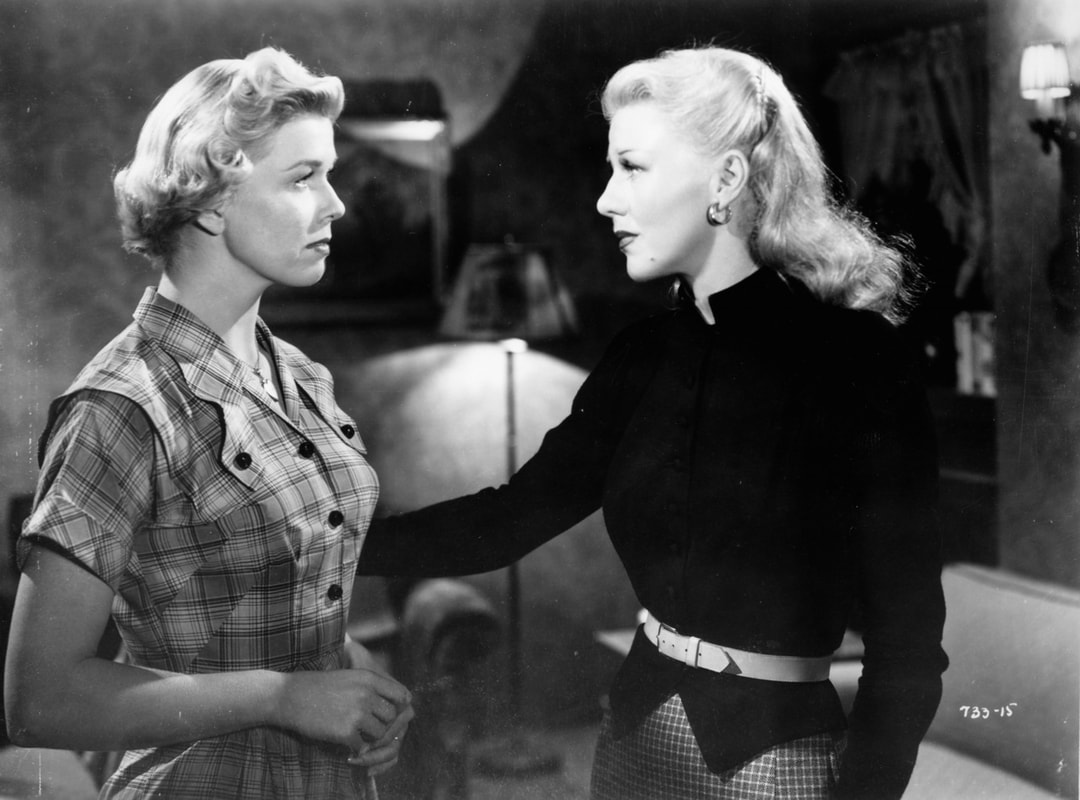
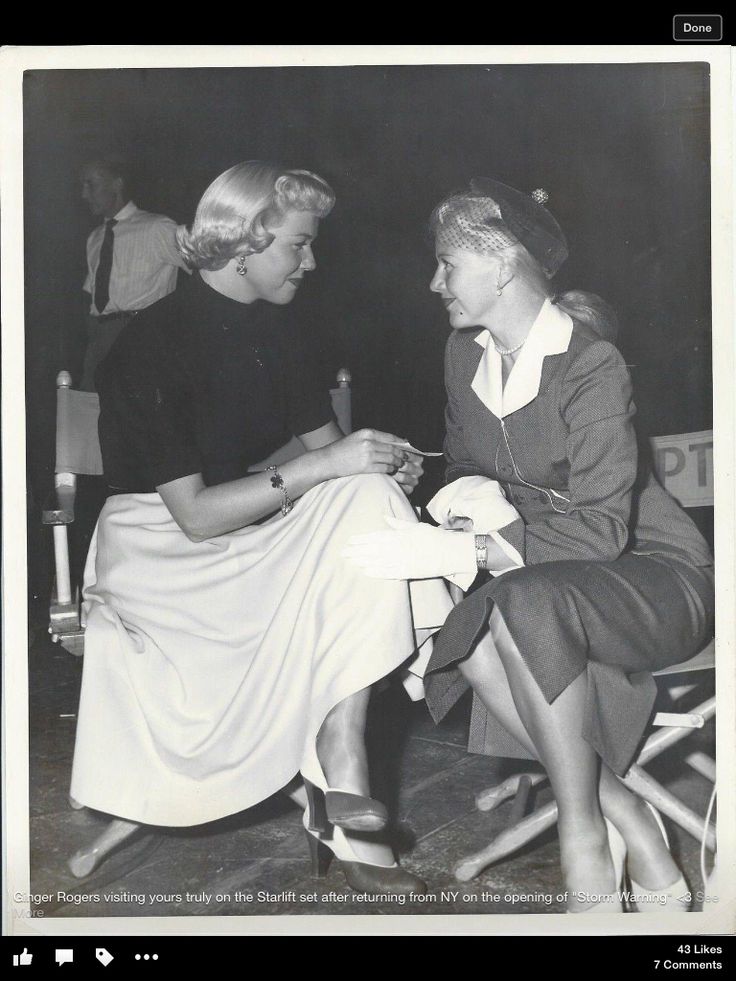
July 16, 1911 - April 25, 1995 Ginger Rogers was born Virginia Katherine McMath in Independence, Missouri. At the age of 9 her family moved to Fort Worth, Texas where her mother had married John Rogers after a tumultuous first marriage. Ginger treated him a father. At 14 Ginger won a Charleston dance contest thus launching her career on the vaudeville circuit. After a bad first marriage at the young age of 18 Ginger moved to New York where she got some work on Broadway. Hollywood took notice and cast her in some bit parts to start. In 1933 she got a role in The Gold Diggers. The public noticed her and wanted more. So producers cast her alongside Dick Powell in 42nd Street. This led to her getting paired with Fred Astaire. As they say the rest is history. Fred and Ginger are among the best couples to appear on the silver screen. Ginger also had some dramatic roles as well including playing Doris's sister in Storm Warning. She made her last movie in 1965 but went on to do some Broadway and appeared on many television shows. She retired in 1984. www.imdb.com/name/nm0001677/bio?ref_=nm_ov_bio_sm Ginger was Doris' childhood idol. Doris talking about her childhood "Much as I adored Betty Grable, when we played movie stars I was always Ginger Rogers... And I had only one boyfriend - Lew Ayers, because at the time he was married to Ginger Rogers." "In everything that I do I learn and try to put it to use. I have learned to go through life not into it. It's like a boat. You mustn't let the water in or you're sunk. Of course, I've made mistakes and I have had failures, but I do not dwell on them because people don't care about garbage. When I make a mistake it's like a bad leaf on a lettuce - I throw it out into the wastebasket." - Ginger Rogers "You bring out a lot of your own thoughts and attitudes when acting. I think a great deal of it has to do with the inner you. You know, there's nothing damnable about being a strong woman. The world needs strong women. There are a lot of strong women you do not see who are guiding, helping, mothering strong men. They want to remain unseen. It's kind of nice to be able to play a strong woman who is seen." - Ginger Rogers |
|
|
|
|
Steve Cochran
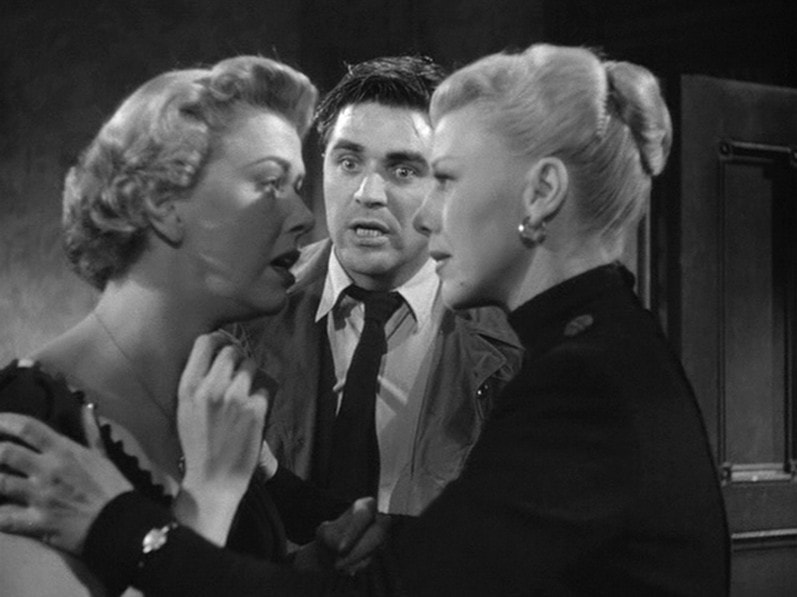
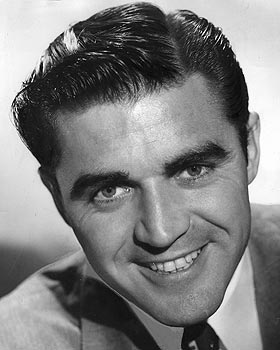
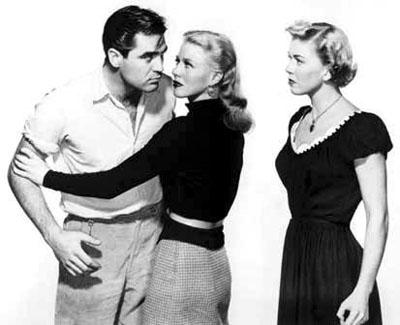
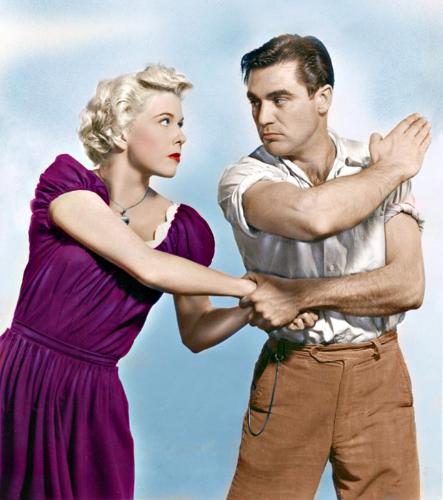
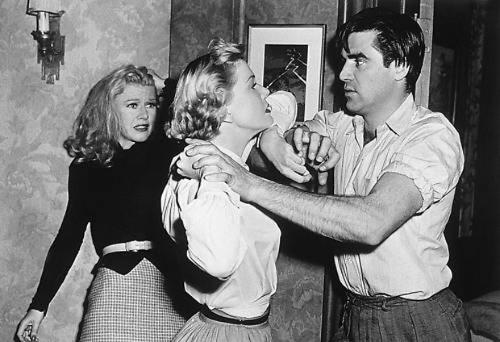
May 25, 1917 - June 15, 1965 Steve Cochran was born in Eureka, California but grew up in Wyoming the son of a logger. He was a rough and tumble character in real life and in the movies. He was know for his sexy villain types. Steve was signed by Sam Goldwyn in 1945. There he had some bad guy roles in a few movies including The Best Years of Our Lives. However, he never was able to move into starring roles and was let go by the studio. Warner Brothers signed Steve in 1949 and cast him in his well known gangster roles. One of those famous roles was alongside James Cagney in White Heat. In 1951 he was cast as Doris's husband in Storm Warning again playing the heavy of a Ku Klux Klan murderer. After his stint with WB he moved on forming his own production. Steve was a known womanizer. In 1965 while traveling with an all woman crew to check out movie locations, he fell ill and died of a lung infection. Rumors have always swirled as to whether that was the true cause of death. http://www.imdb.com/name/nm0168215/bio?ref_=nm_ov_bio_sm "I don't act like a hood. I'm basically a decent person and I let this come through in my portrayals. After all, a guy has to make a living some way, even if he's a gangster." - Steve Cochran "With this puss of mine, I could play a corpse and be accused of overacting. The big secret in playing a gangster in movies is to really believe that the character you are playing is doing no wrong." - Steve Cochran |
|
|
|
|
Ronald Reagan
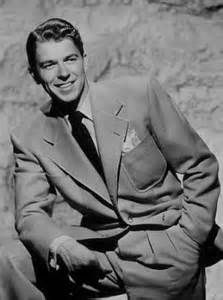
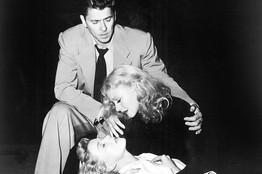
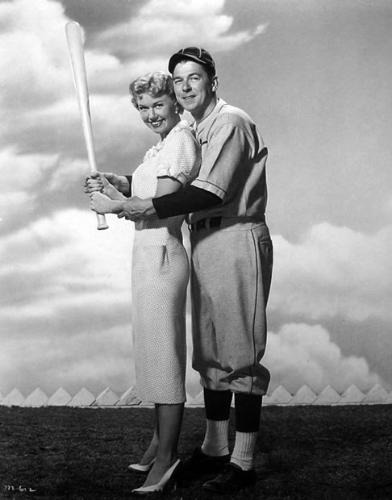
February 6, 1911 - June 5, 2004 Ronald Reagan had quite a prolific career, having catapulted from a Warner Bros. contract player and television star, into serving as president of the Screen Actors Guild, the governorship of California (1967-1975), and lastly, two terms as President of the United States (1981-1989). Ronald Wilson Reagan was born in Tampico, Illinois, to Nelle Clyde (Wilson) and John Edward "Jack" Reagan, who was a salesman and storyteller. His father was of Irish descent, and his mother was of half Scottish and half English ancestry. A successful actor beginning in the 1930s, the young Reagan was a staunch admirer of President Franklin D. Roosevelt (even after he evolved into a Republican), and was a Democrat in the 1940s, a self-described 'hemophiliac' liberal. He was elected president of the Screen Actors Guild in 1947 and served five years during the most tumultuous times to ever hit Hollywood. A committed anti-communist, Reagan not only fought more-militantly activist movie industry unions that he and others felt had been infiltrated by communists, but had to deal with the investigation into Hollywood's politics launched by the House Un-American Activities Committee in 1947, an inquisition that lasted through the 1950s. The House Un-American Activities Committee investigations of Hollywood (which led to the jailing of the "Hollywood Ten" in the late '40s) sowed the seeds of the McCarthyism that racked Hollywood and America in the 1950s. https://www.imdb.com/name/nm0001654/bio Reagan appeared in two movies with Doris Day, Storm Warning 1951 playing the DA bringing down the Klu Klux Klan and The Winning Team 1952 portraying baseball star Grover Cleveland Alexander. "It may not have been his greatest acting performance, but it gave him a line he would repeat often in reference to Nancy. He says in the film to Doris Day 'God must think a lot of me to have given me you.'" - The Wit and Wisdom of Ronald Reagan (James C. Humes) |
|
|
|